Home / Build Systems / Organic Waste Management / Methods and Technology

Methods and Technology

Explore practical ways to prevent, divert, process, and recover value from organic waste. Compare each method by feedstock, scale, land, labour, climate, utilities, output, and risk before making a decision.

Explore

Explore Methods

Learn How each method works, what it’s suited to and the key considerations for your context.

01

Organic waste method

Anaerobic Digestion and Biogas

Anaerobic digestion uses microorganisms without oxygen to produce biogas, mainly methane and carbon dioxide, plus digestate. A successful system needs stable feed, gas safety, trained operation, and…

Community Institutional Advanced
Explore method
02

Organic waste method

Black Soldier Fly Larvae Processing

Black soldier fly larvae can consume selected organic feed quickly in warm conditions. The system is biological livestock production, so it needs containment, climate management, hygiene, harvesting,…

Community Institutional Advanced
Explore method
03

Organic waste method

Bokashi Fermentation

Bokashi is an air limited fermentation method that uses inoculated bran or another validated culture. It can store a wide range of food scraps compactly, but the…
Household Small Commercial Beginner
Explore method
04

Organic waste method

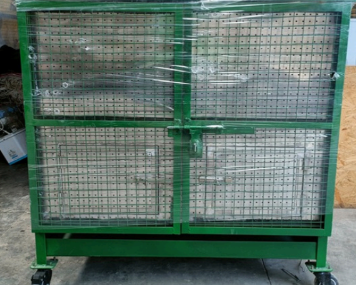
Community Composter

Pits, masonry bins, cages, and rack systems use managed aerobic decomposition with simple infrastructure. They can be robust and affordable, but they need enough space for active…

Household Small Commercial Intermediate
Explore method
05

Organic waste method

Home Container Composting

Home container composting is a practical choice for households, small kitchens, offices, and demonstrations. The container is only the vessel. Successful composting still depends on clean segregation,…
Household Small Commercial Beginner
Explore method
06

Organic waste method

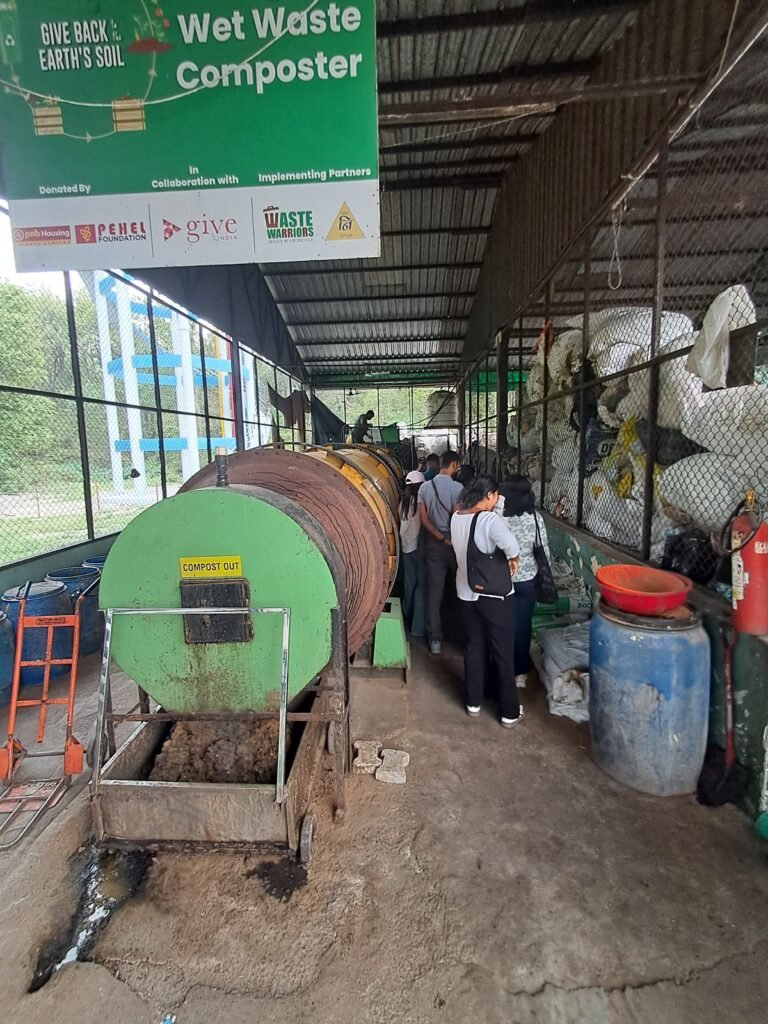
In-Vessel Composting

In vessel systems process organic waste inside enclosed equipment. They may reduce footprint and improve control, but they still require clean feed, bulking material, trained operators, power…

Community Institutional Intermediate
Explore method
08

Organic waste method

Safe Food Diversion to Animals

Some clean food residues may be suitable for authorised animal feeding or farm partnerships. This is a prevention and diversion route, not a disposal shortcut. Feed suitability,…

Institutional Small Commercial Intermediate
Explore method
09

Organic waste method

Vermicomposting

Vermicomposting uses selected earthworms and microorganisms in a cool, moist, aerated bed. Worms are living stock, so the system must avoid heat, flooding, drying, predators, and unsuitable…

Community Household Intermediate
Explore method

Need help choosing?

Compare each method by feedstock

Start With the Waste, Not the Machine

A practical, step-by-step process to help you choose the right method or combination of methods.

Measure the Waste

Understand the type and amount of organic waste you have.

Prevent and Divert

Reduce waste at source and keep suitable materials out of landfill.

Assess the Site

Consider space, land, climate, utilities and local conditions.

Shortlist Methods

Identify the most suitable options for your context.

Run a Pilot

Trial at a small scale with representative waste.

Select the Complete System

Choose and design a system that fits your needs and resources.

Quick Comparison

A side-by-side view of key factors to help you compare methods. Use this as a starting point, as suitability depends on your specific context.

Showing 10 methods
Method Best Fit Land and Power Main Strength Critical Caution
Home Container Composting Small household or office quantities Very low land, usually no power Local and simple Needs routine care and curing
Community Composter (Pit, Bin and Rack) Community and institutional sites Moderate land, low power Repairable and flexible Drainage, labour, and curing space
Windrow and Aerated Static Pile Composting Medium to large sites with consistent segregated feed Higher land requirement; power varies with aeration Scalable and adaptable Weather, odour, leachate, turning, and curing must be managed
Vermicomposting Clean partly decomposed feed Moderate protected area, low power Fine product Worms are temperature and feed sensitive
Bokashi Fermentation Small contained food handling Very low land, no process power Useful pre-treatment Requires a second stage
In-Vessel Composting Space-constrained managed sites Lower active footprint, usually power Enclosed controlled processing Service, operating cost, and curing
Anaerobic Digestion and Biogas Steady feed with energy use Engineered site and power needs vary Renewable gas Gas safety and digestate
Safe Food Diversion to Animals Clean suitable residues near authorised user Storage and transport Prevents treatment Veterinary and traceability controls
Black Soldier Fly Larvae Processing Specialist warm controlled facility Contained area and climate control Rapid biological conversion Product rules and lifecycle expertise
Leaf and Garden Waste Composting Seasonal garden residues Storage and processing area Carbon and mulch supply Fire, litter, and seasonal peaks

Swipe or scroll horizontally to view the complete comparison.

Core Aerobic Controls

Good aerobic composting depends on a few key factors. These controls help create the right conditions for microbial activity.

Carbon and Nitrogen

Aim for a balanced mix of "browns" (carbon) and "greens" (nitropen) to support microbial activity.

Moisture

Keep moisture around 50-60% (like a wrung-out sponge). Too dry slows decomposition, too wet reduces air space.

Air and Structure

Maintain air and structure by using bulky materials and avoiding compaction to preserve pores.

Temperature and Curing

Allow the pile to heat up, then cure adequately. Check for stability (cool, earthy smell, no fresh feedstock visible) before use.

Publishing and Implementation Principles

Follow these principles when sharing information, comparing methods, procuring equipment, and putting organic waste systems into practice.

Publish methods as choices with operating conditions, not as universal recommendations. Confirm practical capacity through a monitored site trial using representative waste and ordinary staffing.

Do not rely only on the capacity printed in a brochure.
Do not describe fresh machine discharge, dehydrated material, or fermented Bokashi material as finished compost without appropriate curing and verification.

Confirm applicable local permissions, product standards, animal-health requirements, worker-safety duties, and pollution controls before implementation.

Use current technical specifications and quotations obtained through a controlled procurement process. Do not publish personal vendor contact details or rely on outdated quotations.

Use the portal for education, method comparison, preliminary planning, and operational guidance.


Site design, structural work, electrical systems, gas systems, drainage, fire safety, and slope stability require assessment and implementation by competent professionals.