
Learn
Health and Social Impact
Waste management is closely connected to public health, occupational safety, livelihoods and social equity. The risks associated with waste are shaped not only by what is discarded, but also by how waste is handled, who handles it, where it accumulates and who lives or works around it.
Poorly managed waste can contaminate air, water and soil, create conditions that support disease vectors, and expose people to physical, biological and chemical hazards. The World Health Organization identifies communities living near waste facilities, waste workers, children and other vulnerable groups among those who can face greater exposure to these risks.
Waste and Public Health
Uncollected and improperly disposed waste can block drains and create stagnant water, providing conditions that favour disease vectors such as mosquitoes and rodents. Open dumping can also expose communities to contaminated materials, while uncontrolled burning releases pollutants that can affect respiratory health.
Open waste burning can produce particulate matter and other harmful pollutants. According to WHO, exposure to emissions from open waste burning can contribute to health effects including respiratory disease, coughing and skin irritation.
The risks can become more complex when hazardous materials enter the general waste stream. Healthcare waste, for example, may contain infectious, toxic or chemical materials. WHO estimates that around 15% of healthcare waste is hazardous, while the remaining 85% is generally non-hazardous.
Waste Workers and Occupational Health
Waste workers are often among the people most directly exposed to the hazards within the waste stream. Collection, transportation, sorting and processing can involve contact with sharp objects, contaminated materials, dust, chemicals and biological hazards.
These risks are particularly significant where workers lack adequate protective equipment, healthcare access, training or social protection. The ILO notes that informal waste workers often operate under hazardous conditions and may have limited access to occupational safety measures and social protection.
At the same time, waste workers perform an essential environmental and public service. Waste pickers contribute to resource recovery and help reduce the quantity of material going to disposal sites, yet many remain outside formal employment structures and do not receive equivalent recognition or protections.
The question is therefore not only how waste workers can be protected from waste, but also how waste management systems can recognise, integrate and provide decent working conditions for the people who keep those systems functioning.
Waste and Gender
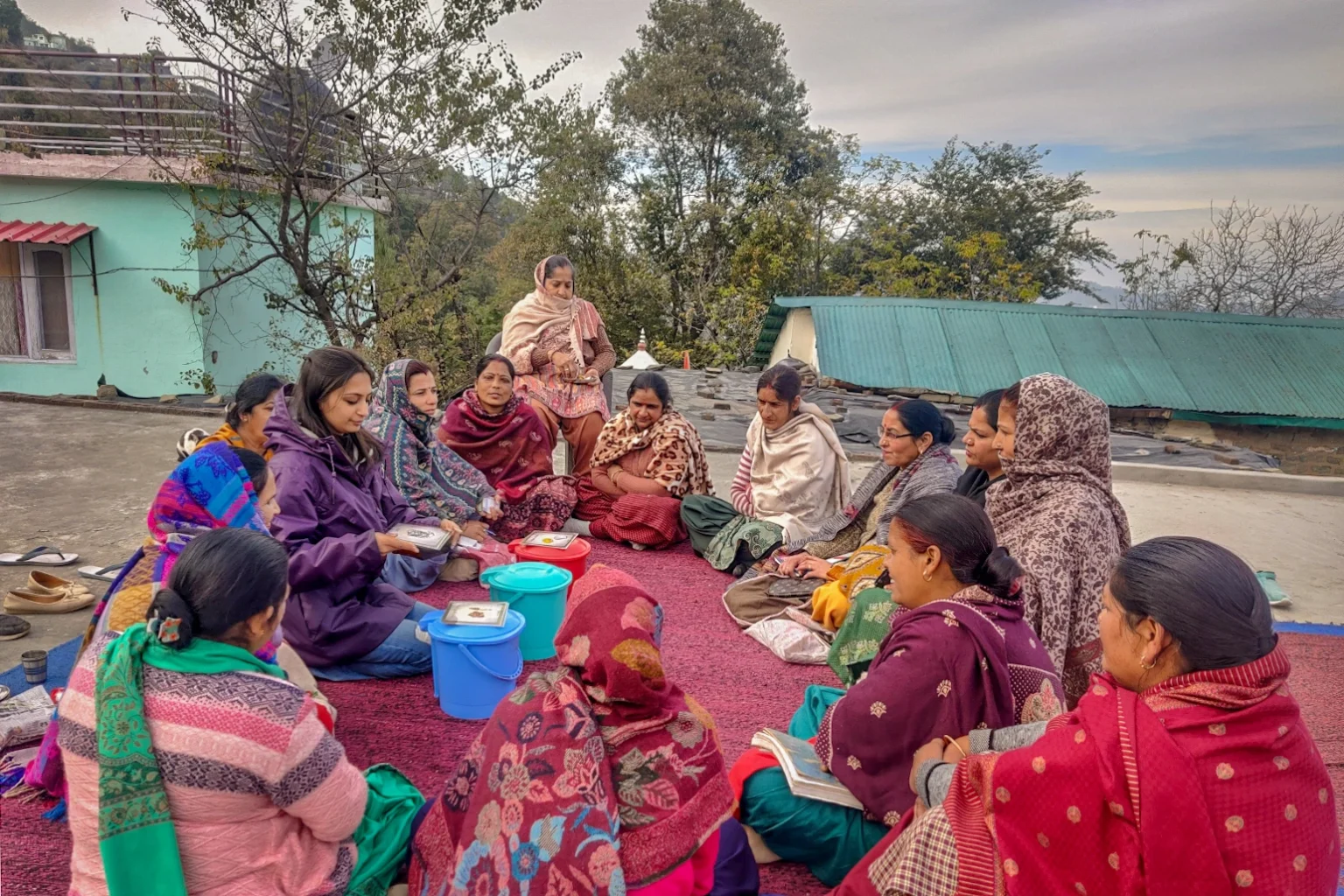
Waste management also has a gender dimension. Women often have greater responsibility for managing household waste, while women working in the informal waste sector are frequently concentrated in lower-paid activities such as waste picking and sorting.
UNEP notes that gender-based inequalities can limit women’s access to decision-making, leadership, better-paying roles, safety equipment and social protection within the waste sector.
This means that improvements in waste management can have social implications beyond cleaner neighbourhoods. Who participates in waste management, whose work is recognised and who has access to safer working conditions and economic opportunities are also part of the waste management question.
Waste, Livelihoods and Social Equity
Waste is part of a wider economic system. Materials discarded by households, businesses and institutions can provide livelihoods for waste pickers, scrap dealers, recyclers, transporters and other workers involved in the recovery chain.
However, the economic value generated through this system is not necessarily distributed equally. Informal waste workers may contribute significantly to recycling while working without stable incomes, formal recognition, social security or adequate occupational protection.
In India, this informal workforce is particularly important to the functioning of recycling systems. A 2026 ILO report on Maharashtra, for example, documents the work of approximately 200,000 predominantly Dalit women waste pickers who remain largely unrecognised despite their contribution to municipal waste management and resource recovery.
Who Bears the Risk?
The impacts of poor waste management are not distributed evenly. A household with reliable collection services experiences waste very differently from a community living beside an unmanaged dumpsite, or a worker manually sorting mixed waste without protective equipment.
This makes waste management a question of environmental and social equity. The people who experience the greatest exposure to waste-related risks may not be the people who generate the most waste or have the greatest influence over how waste systems are designed.
Effective waste management therefore needs to consider more than collection and disposal. It must also address health protection, occupational safety, livelihoods, gender, social protection and the equitable distribution of both the benefits and risks associated with waste.