Tools and Gear

Select the collection equipment, hand tools, monitoring instruments, machines, protective gear, and site infrastructure that make an organic waste system safe and dependable.

Explore

Explore Tools and Gear

Practical guides to the equipment, tools and infrastructure used in organic waste management.

01

Equipment and infrastructure

Collection and Segregation Equipment

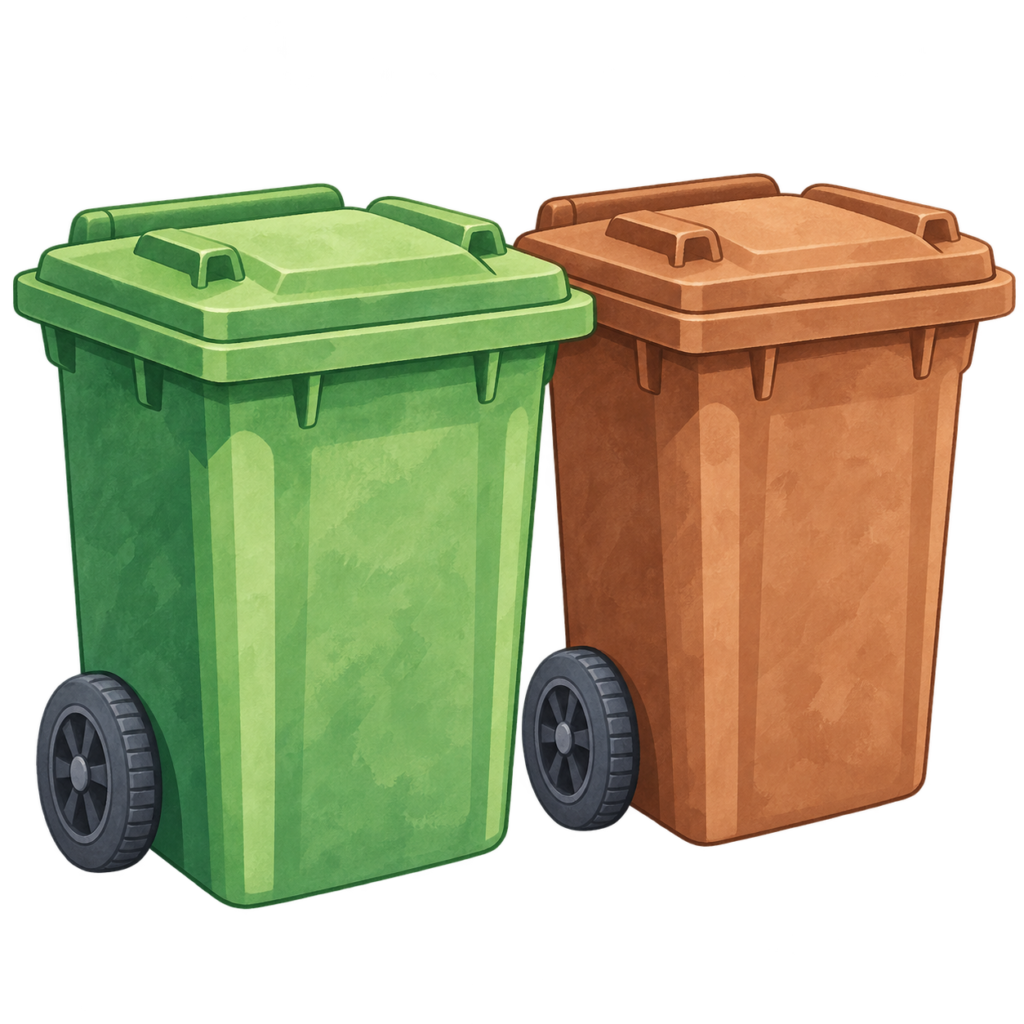
Good processing begins before waste reaches the compost site. Containers must be easy to identify, clean, lift, close, and inspect. The collection schedule should prevent fermentation, leakage,…

Community Household Build
Explore guide

Build a Complete Equipment Chain

Seven connected stages from waste generation to finished product.

Segregate

Can users keep the feed clean?
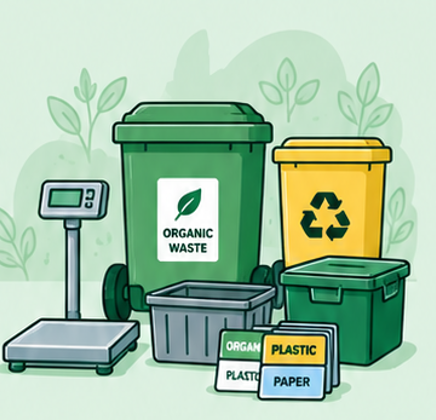
Labelled caddies, lidded bins and posters.

Receive

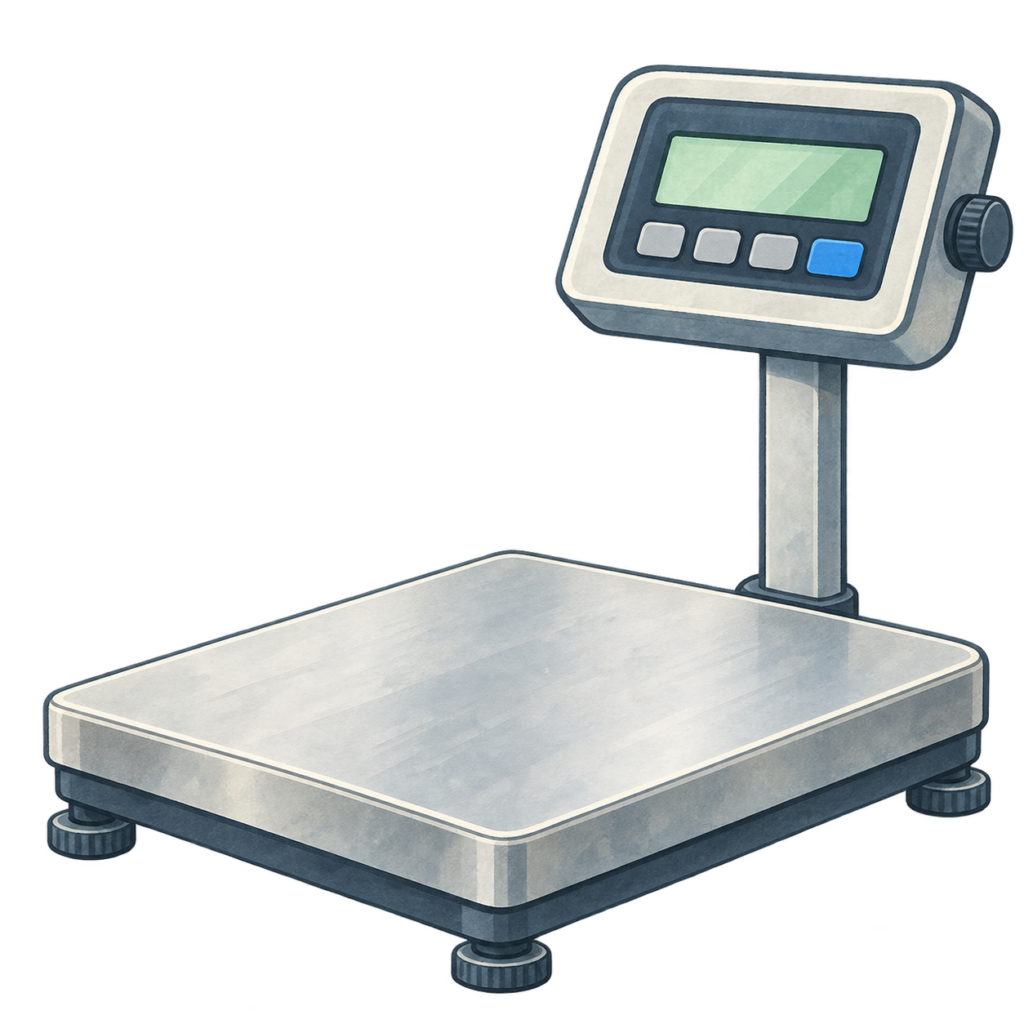
Can every load be weighed and inspected?
Scale, sorting table and reject containers.

Prepare

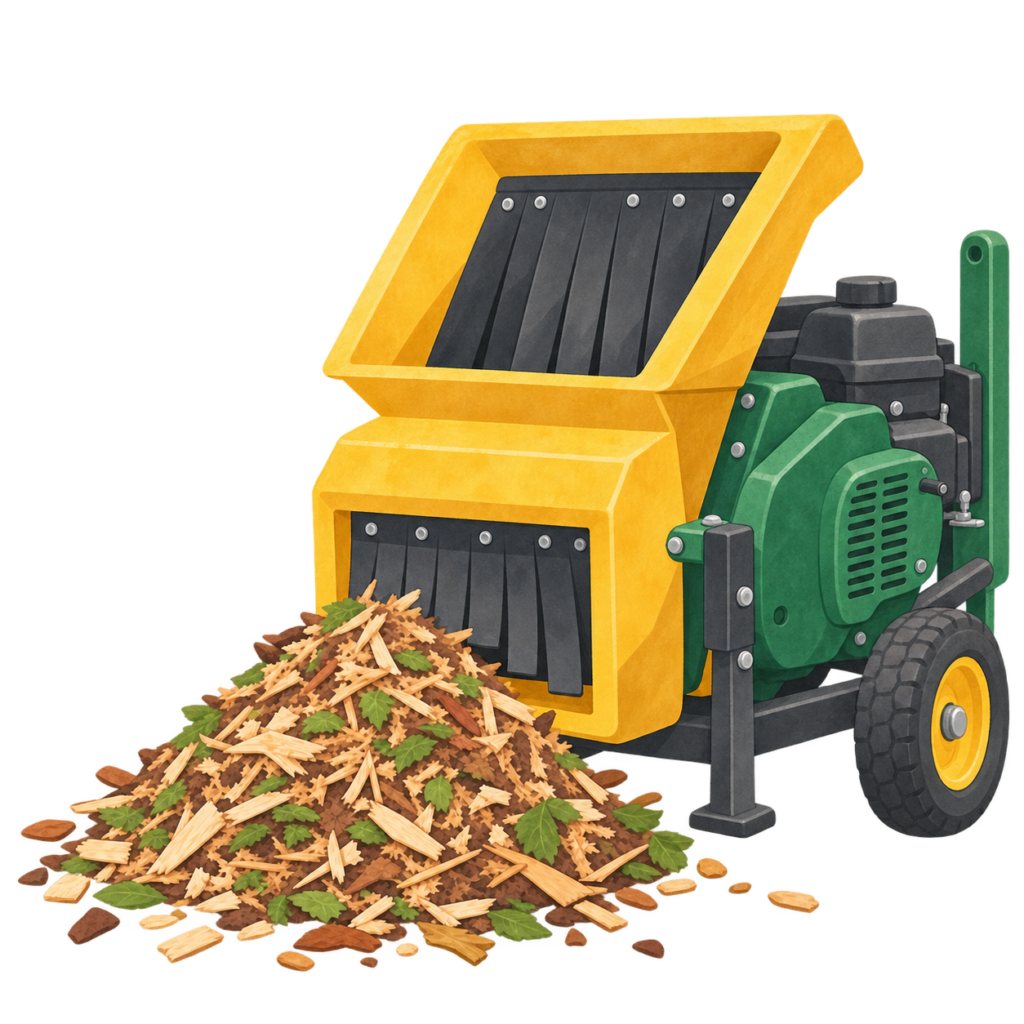
Is particle size and recipe consistent?
Hand tools, measuring buckets and a guarded shredder where justified.

Process

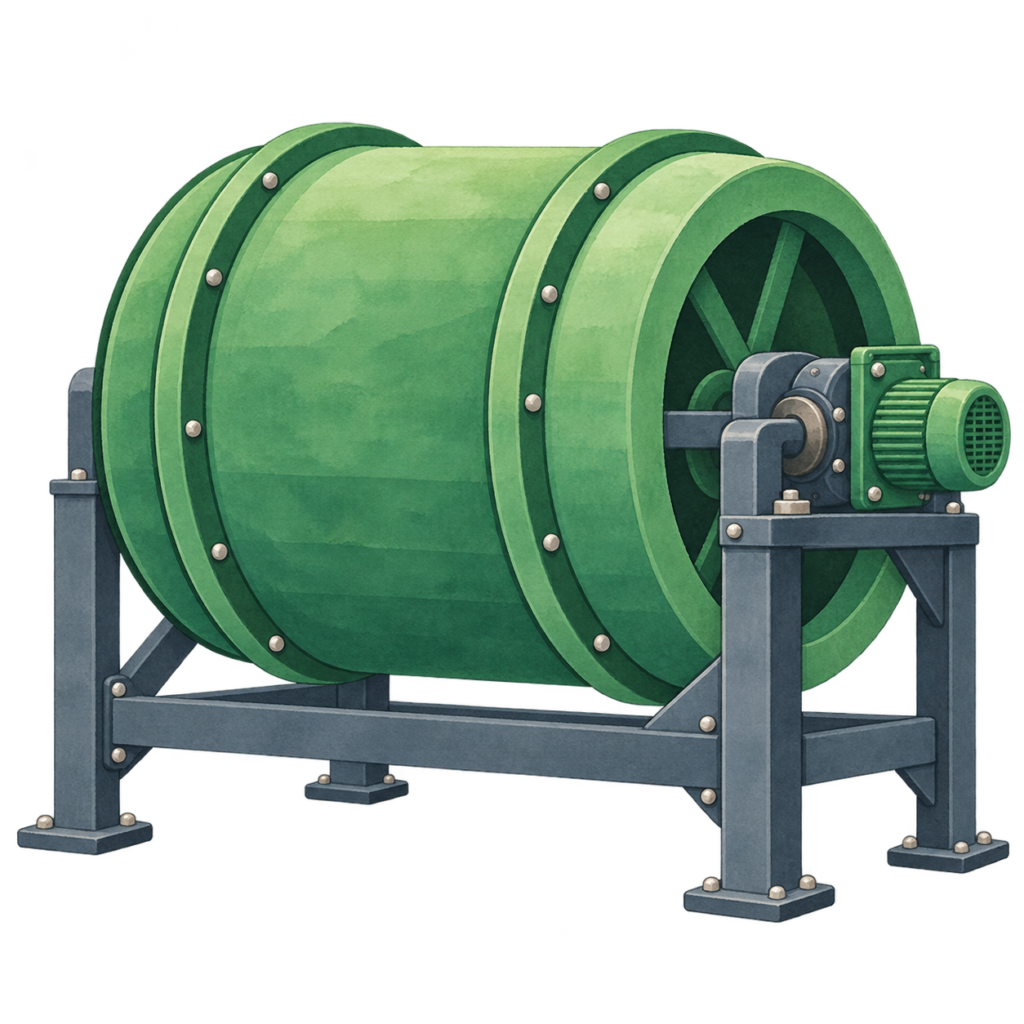
Can air, moisture and feed rate be controlled?
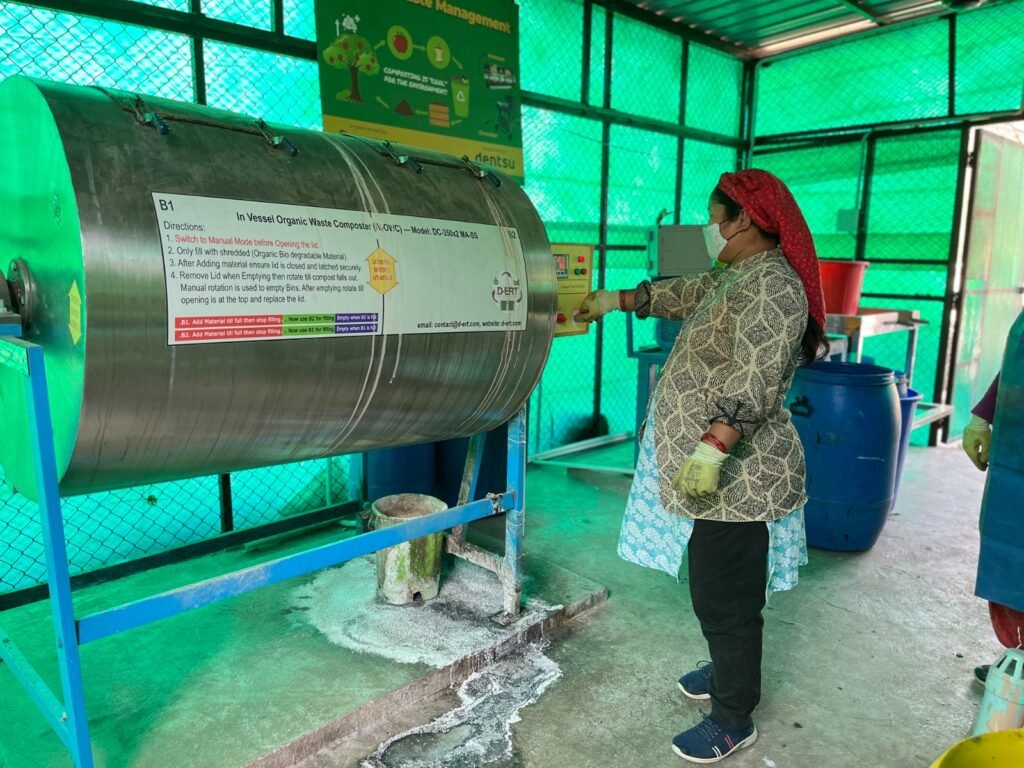
Thermometer, mixer, aeration system and process vessel.

Cure

Is there enough protected time and space?
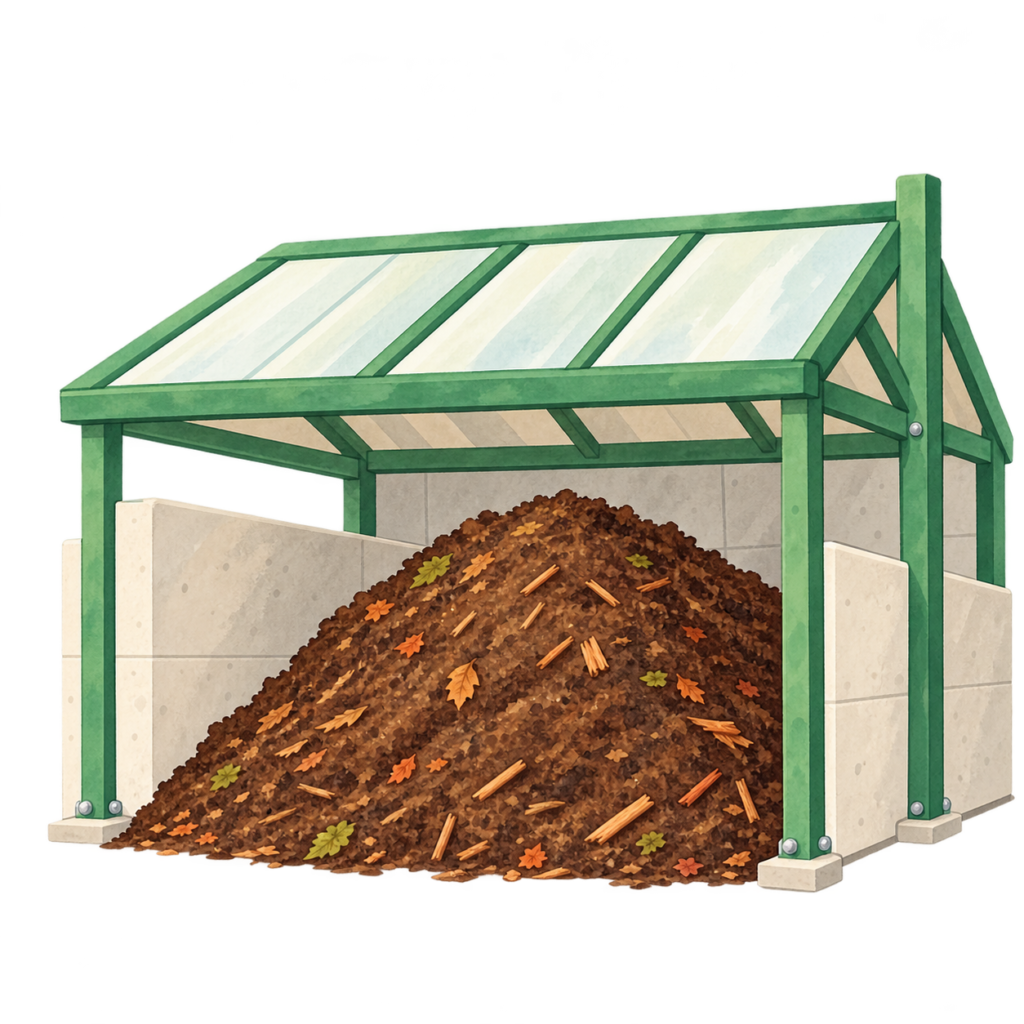
Labelled bays, covers and turning tools.

Finish

Can the product be checked and traced?
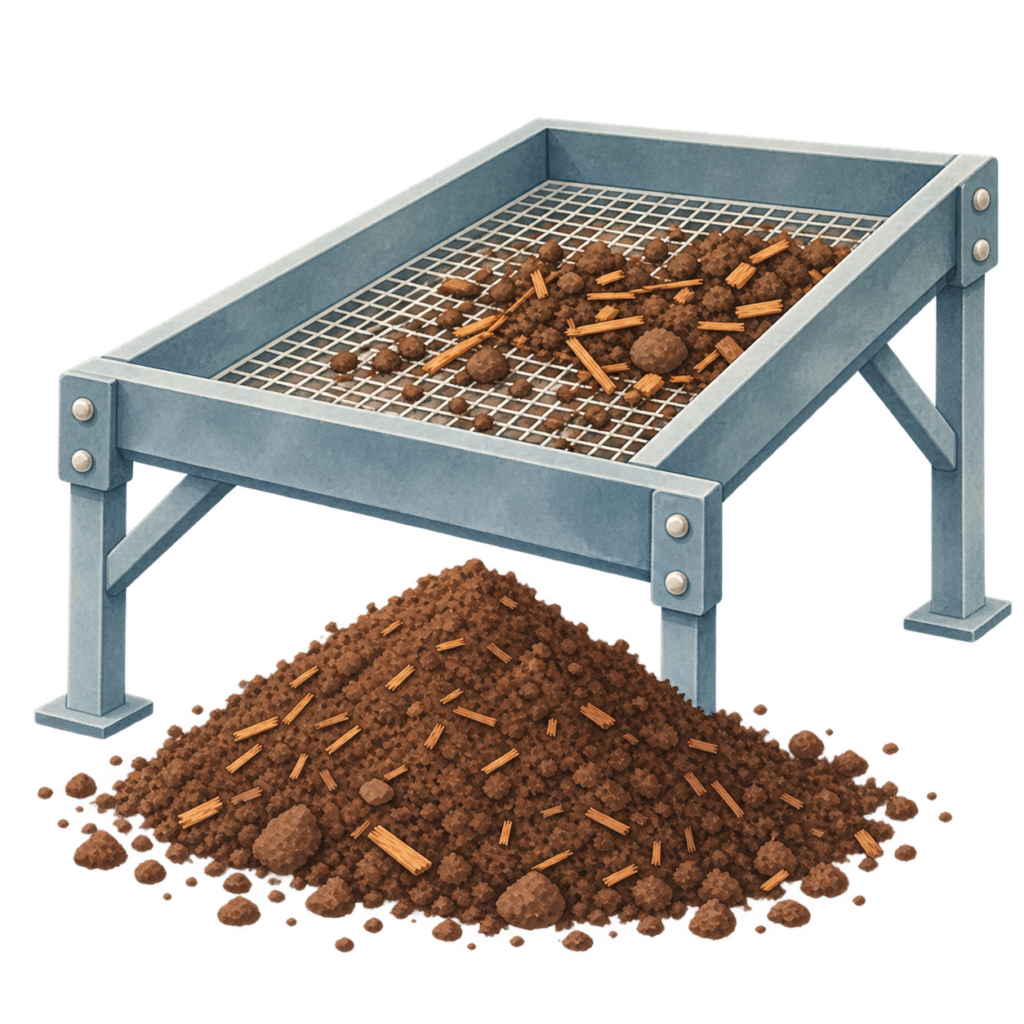
Screen, sampling tools, bags and dispatch register.

Protect

Are hazards controlled before PPE?
Guards, drainage, ventilation, isolation, PPE and hygiene facilities.

Procurement Rule

Require Evidence

Evaluate equipment using the same schedule. Ask each supplier to demonstrate the equipment with your representative waste at a realistic operating scale.

Confirm practical capacity, power requirements, labour needs, performance with dry material and rejects, curing requirements, safety features, service support, expected downtime, spare-parts availability and the total five-year cost.

A low purchase price can become an expensive system if the output is unfinished or reliable local service is unavailable.

Compare Suppliers

Trial Demonstration with your waste
Capacity Practical, not just theoretical
Safety Built-in safety features
Service Local support and response times
Spares Availability and lead times
Five-Year Cost Total cost of ownership

Minimum Machine Safety Questions

Ask these questions before purchasing, installing or using any equipment.

Moving Parts Guarded

Are all dangerous moving parts guarded to prevent accidental contact during normal operation?

Quick Stop and Secure Isolation

Is there an emergency stop and a reliable way to isolate the power securely before cleaning, inspection or maintenance?

Prevent Access to Dangerous Parts

What prevents access to blades, augers, shafts, belts and pinch points during operation and maintenance?

Safe Response to Faults

Is there a safe and clearly defined response to a jam, overload, power failure or unexpected restart?

Electrical Protection for a Wet Site

Are the electrical phase, earthing, protection devices, cables and controls correctly rated and protected for a wet working environment?

Authorised Operation and Service

Are only trained and authorised people permitted to operate, inspect and service the equipment?

Control hazards before relying on PPE

Eliminate or reduce risks through guards, secure isolation, drainage and safe systems of work. PPE is the last line of defence, not the first.

Publishing and Implementation Principles

Use operating evidence, representative trials and credible technical sources. Do not rely only on supplier claims, brochure capacities or promotional material.

Adapt guidance to actual waste quantities, contamination, staffing, climate, utilities, service access, safety requirements and local operating conditions.

Review technical information, regulations, supplier details and downloadable resources regularly. Do not publish outdated quotations or personal vendor contact details.